Key takeaways
- Full sun means six or more hours of direct light.
- Morning sun is gentler than hot afternoon sun.
- Observe a spot at several times of day and in leaf-out season.
- Choose plants for the light you have, not the light you wish for.
Measuring sun
Check a bed every hour or two on a clear day and note when it is lit. Count the direct sun hours. Do it again after trees have leafed out, since spring sun can mislead you.
Photos at set times make the pattern easy to see.
Sun categories
Full sun is six or more hours. Part sun or part shade is roughly three to six hours. Shade is under three hours, with dappled light in between. Hot afternoon sun is harder on plants than morning sun.
Many plants have a range and will tell you if the spot is wrong.
What to plant where
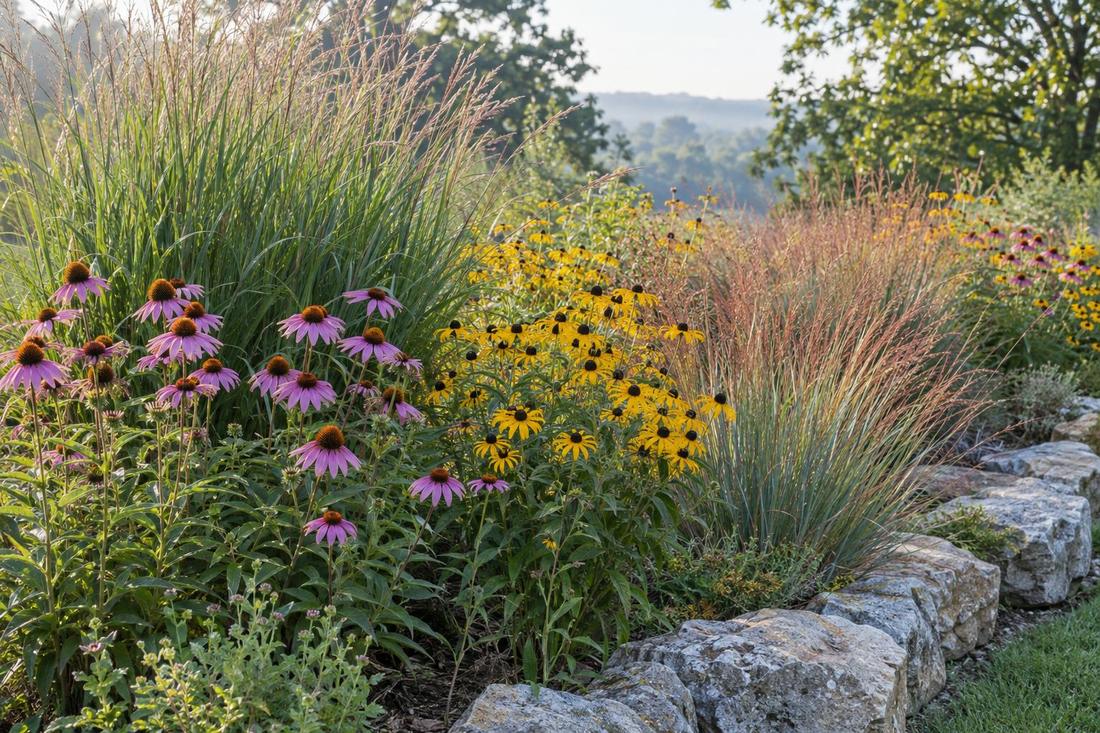
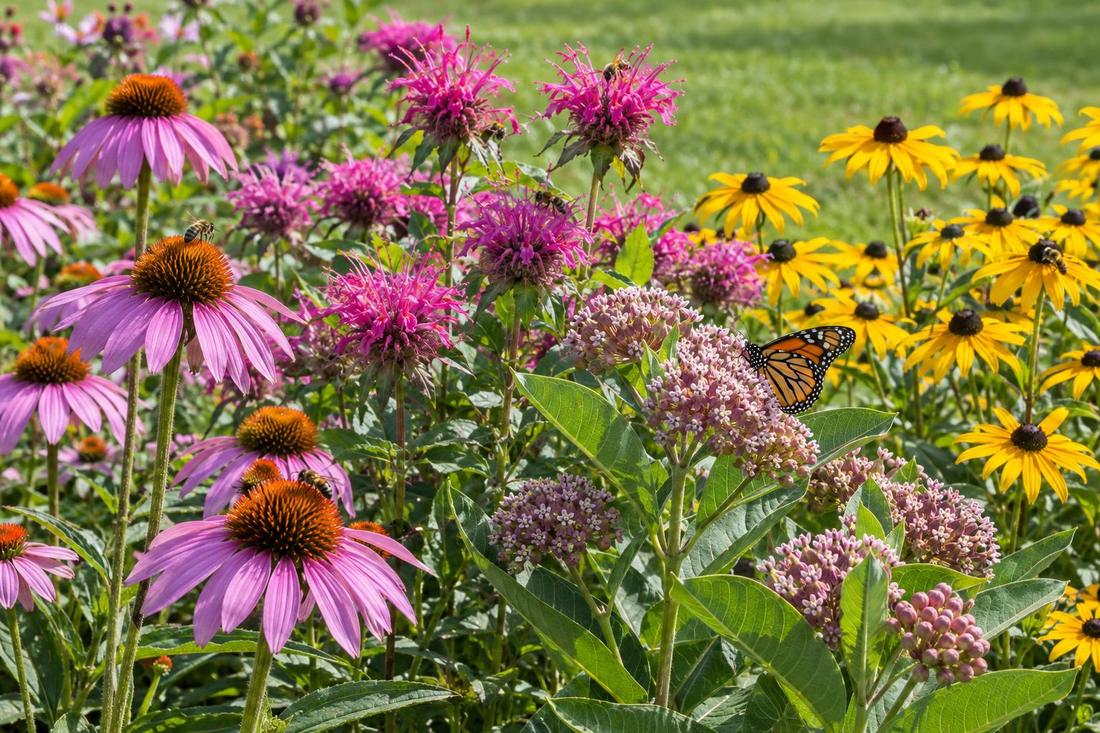
In full sun try coneflower, salvia, sedum, daylily and ornamental grasses. In part shade try hydrangea, astilbe, coral bells and many ferns. In shade try hosta, fern, hellebore and woodland groundcovers.
Match the plant tag to your measured light.
When light changes
As trees grow or are removed, sun patterns shift. A bed that was shady for years can become sunny after a tree comes down. Revisit plantings when that happens.
We reassess light for homeowners across Nashville and Middle Tennessee when we plan or renovate a landscape.
Quick answers
What if my yard has dappled light?
Many part-shade plants do well in dappled light. We test options for the spot.
Can I grow roses in part shade?
Most roses want six hours of sun. In less light, other flowering shrubs may do better.